
The Atrium
A Replicable Model for Bringing the Classroom Beyond the Four Walls
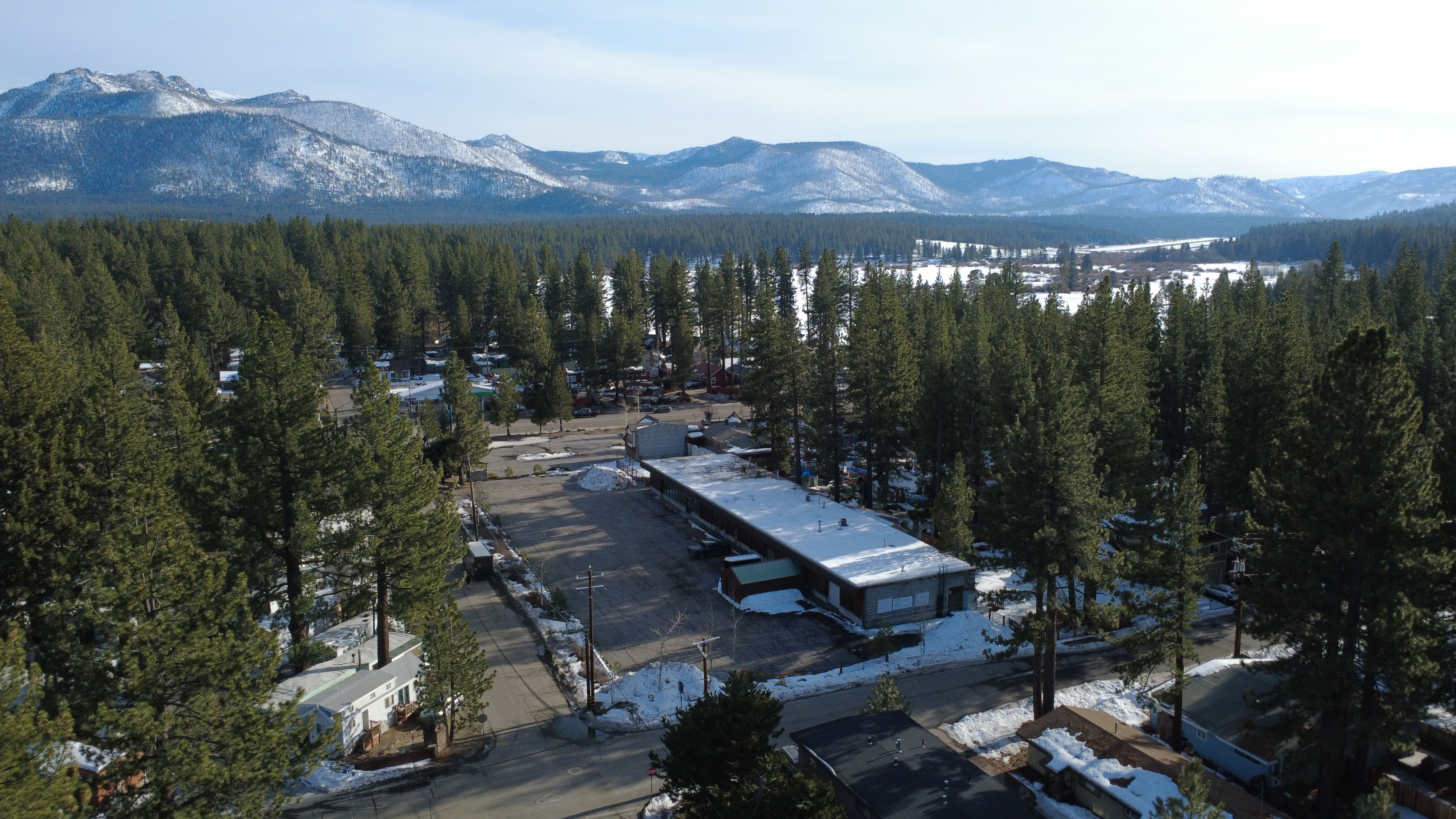
A hands-on makerspace for high school students and beyond
A Replicable Model for Bringing the Classroom Beyond the Four Walls
A hands-on makerspace for high school students and beyond
Rescue food and feed our neighbors
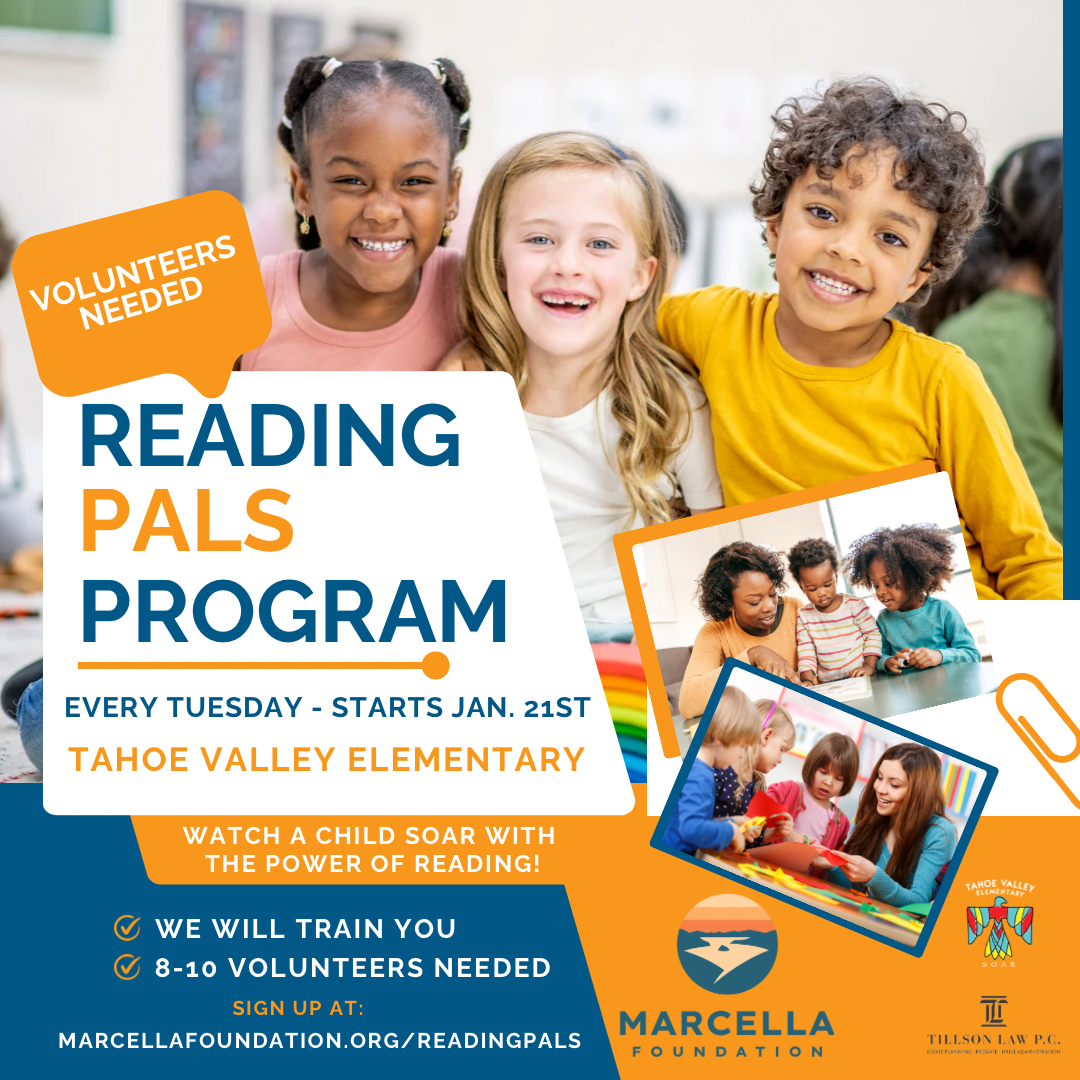
Book access and reading mentorship
Building a makerspace
The Challenge
Low-income students often encounter advanced tools for the first time when they leave for college, putting them behind their peers from bigger cities who may have had access from a young age.
Interest in engineering & design peaks in middle school—and drops sharply without hands-on opportunities to sustain it.






















The Solution
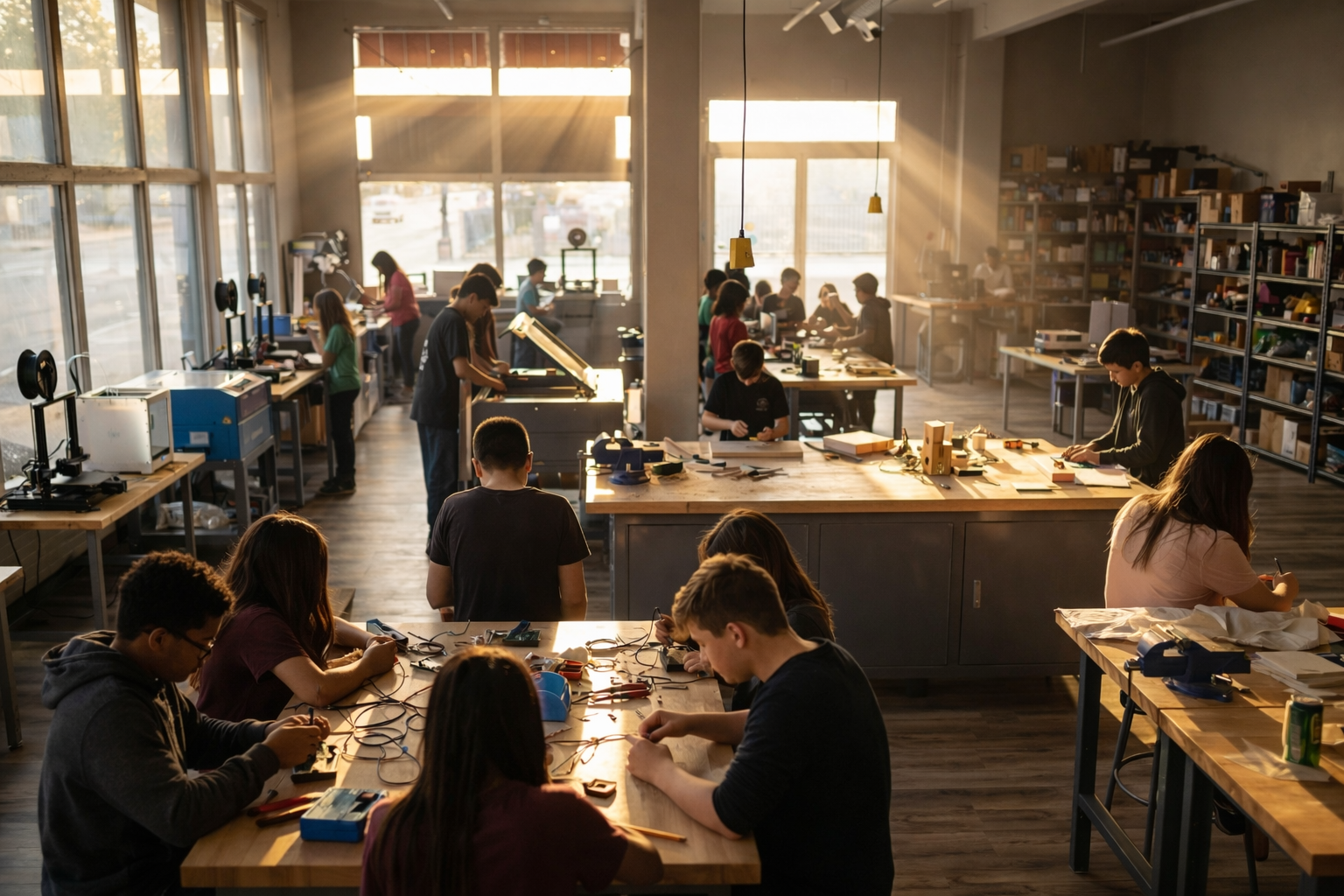
A free offsite makerspace where high school students learn by doing—building, experimenting, and discovering how things work.
Our makerspace acts as a bridge between K-12 education, community college, and local industry.
The Atrium will serve as a community hub where youth develop technological skills, collaborate on local problems, volunteer in our food and reading programs, and explore entrepreneurship.
Phase 1
Now in Progress
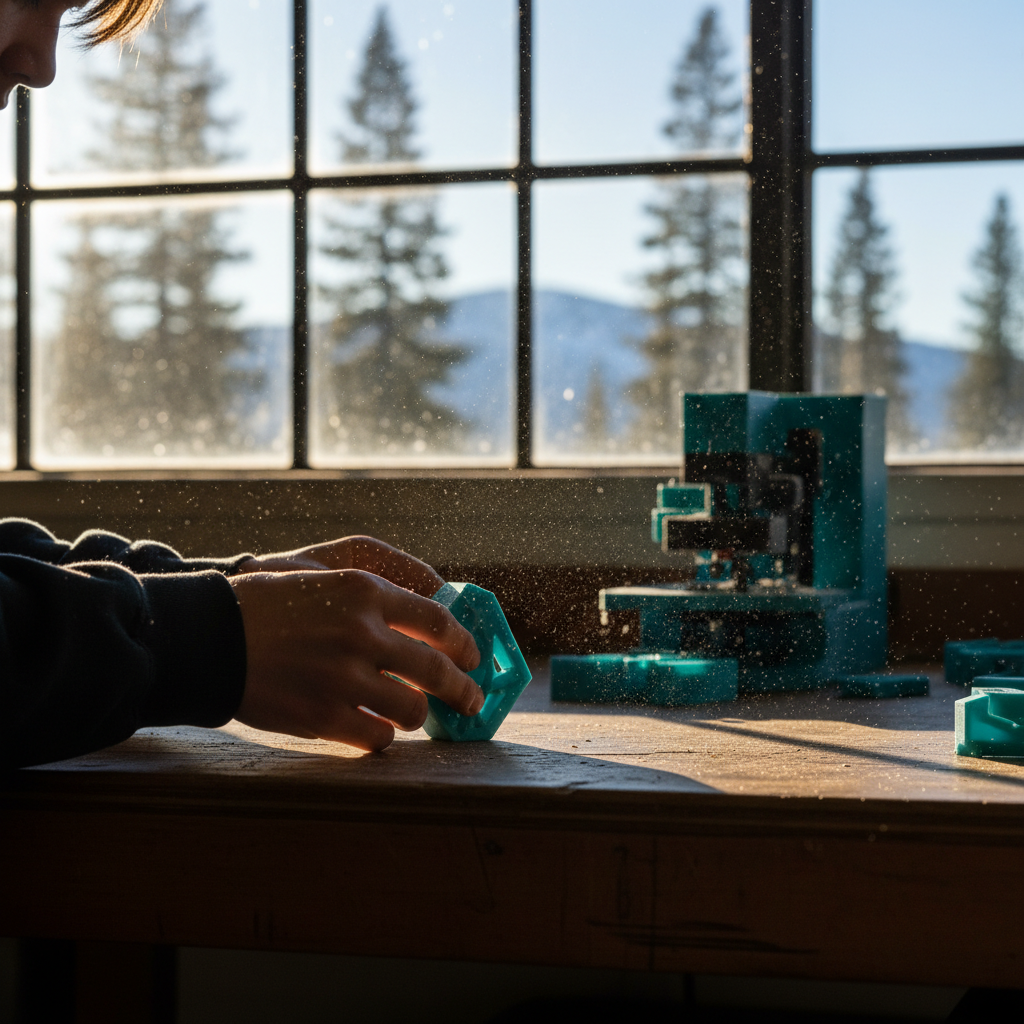
Deploying maker tools directly to the school site—3D printers, laser cutters, and more—so students can experience hands-on creation without leaving campus.
Partnering with educators to weave making into existing curriculum, turning abstract concepts into tangible projects.
Building peer mentorship capacity at both high school and community college levels—students teaching students.
Phase 2
Fall 2026
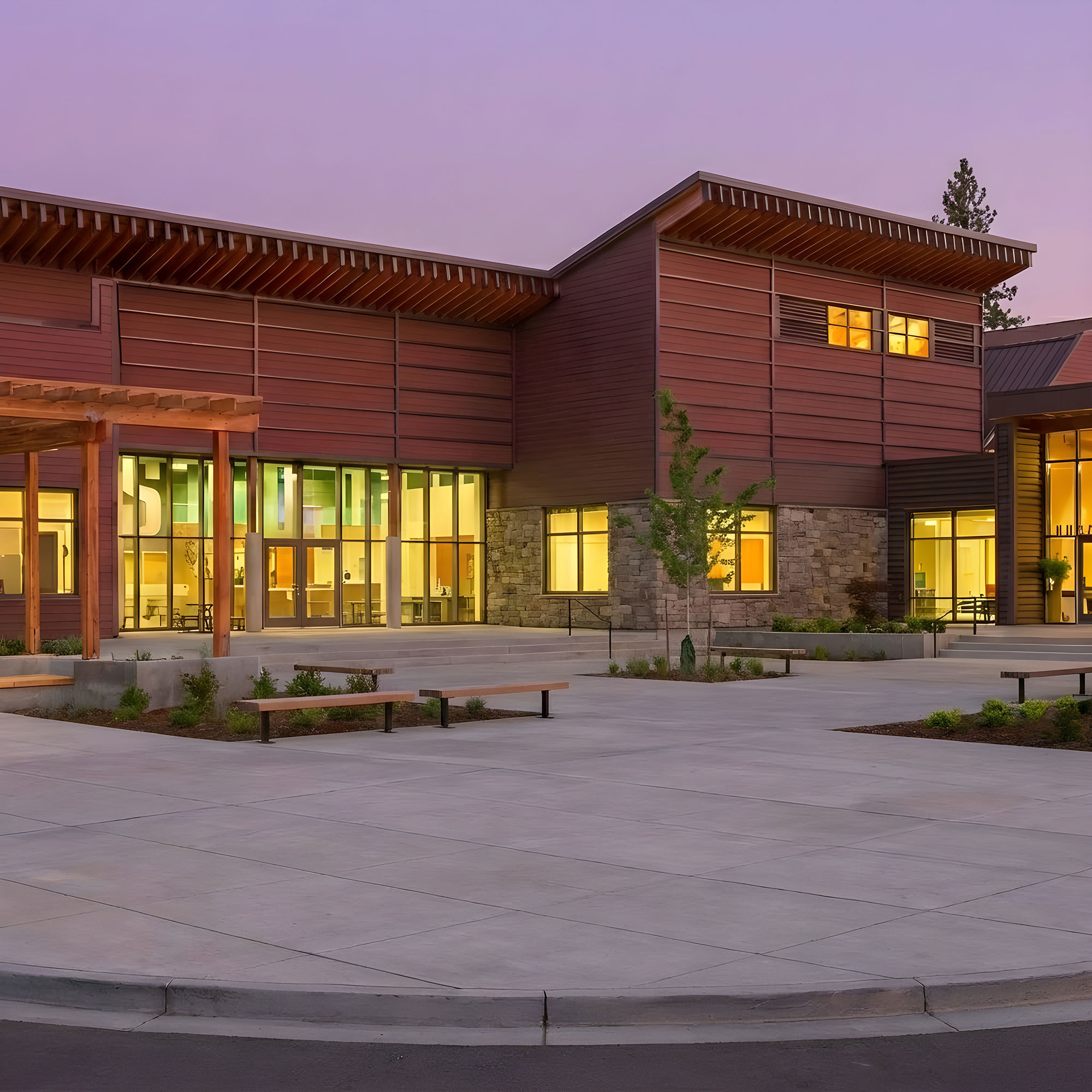
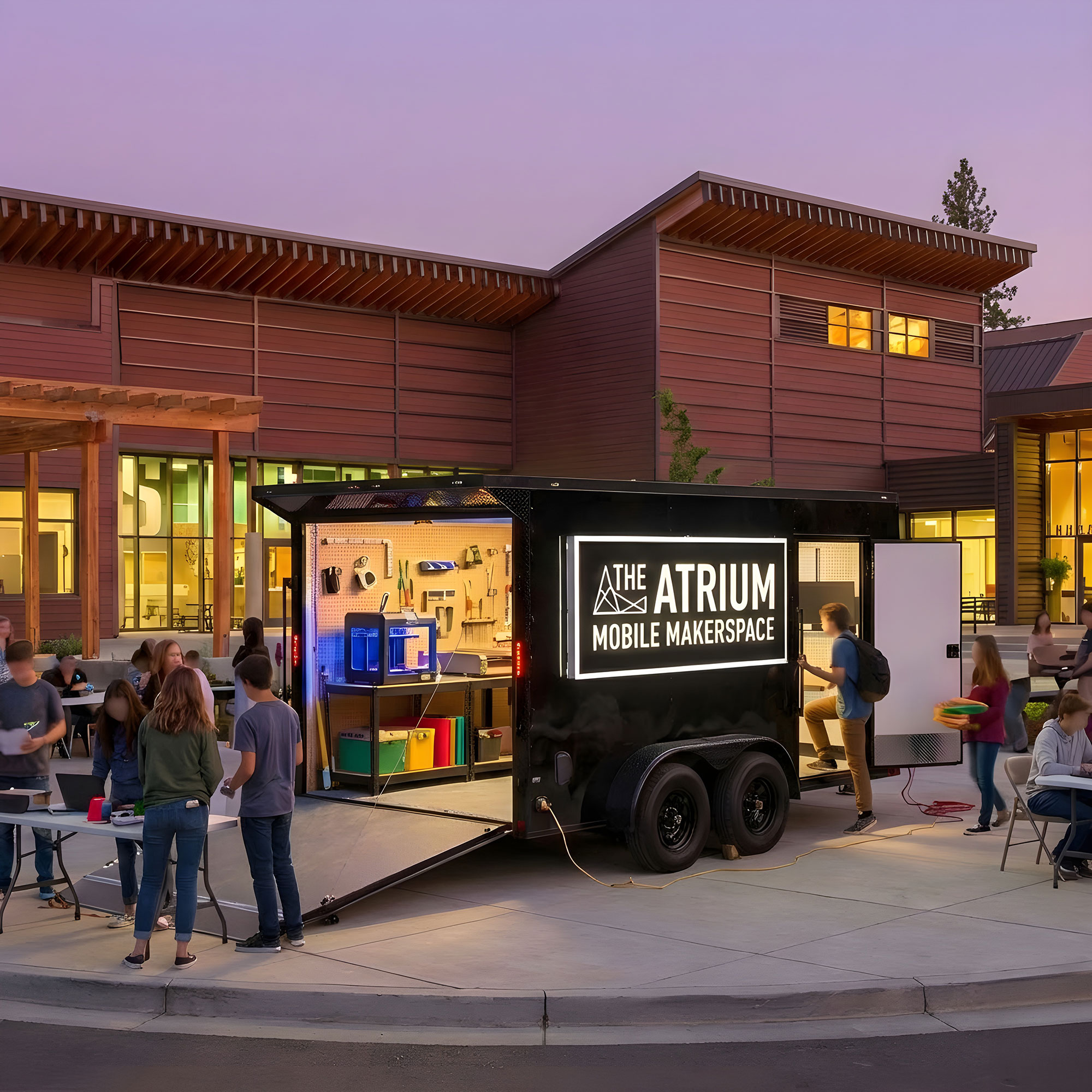
Classrooms visit for immersive maker experiences—broad exposure that sparks curiosity.
Students earn credentials on tools and equipment, building real skills they can take anywhere.
Workshops and open lab hours for student tinkering—a place to explore without the bell.
Free access for independent projects—because the best ideas come from unstructured time.
For CTE Leaders
For CTE Leaders
Bringing your classroom outside the four walls
Look for community partners that share your values and vision for students.

Nonprofits, local businesses, individual makers—partnerships are everywhere.

Start by asking for advice. Trust comes before transactions.
Stay in touch →
Melissa Uppendahl
melissa@marcellafoundation.org
marcellafoundation.org
Scan to sign up